Gold has slipped back under $4,100 and silver has handed back nearly half of its January peak. Here is what is actually driving the pullback, and the question on every Utah buyer's and seller's mind: act now, or wait?
If you have been watching precious metals this year, you have had whiplash. Gold and silver spent 2025 climbing, then opened 2026 with a sprint to record highs in late January. Five months later, both metals are well off those peaks, and the headlines have flipped from "all-time high" to "lowest in months." It is enough to make anyone wonder what changed.
The short version: the metals did not break. They corrected. Gold is trading near $4,050 an ounce as of late June, down roughly 27 percent from its January 29 record of about $5,595. Silver sits near $58, off close to half of its January high of $121.62. Both are still up sharply from where they stood a year ago. What you are seeing is a pullback from a record, not a collapse.
That distinction matters, because the practical decision in front of you depends on it. If you are a buyer, a pullback can look like an opening. If you are a seller, it can look like a reason to wait. This guide walks through what is pushing prices down right now, why the longer-term case has not gone away, and how to think about your own next move, with the tax advantages Utah residents have that buyers and sellers in most states do not.
What This Guide Covers
What Just Happened: The Numbers
A correction sounds dramatic until you put it next to where prices came from. Here is the picture as of late June 2026.
Gold set an intraday record of roughly $5,595 on January 29. By the last week of June it had fallen below $4,000 for the first time since November 2025 before steadying near $4,050. That is a decline of about 27 percent from the peak. Even so, gold remains more than 20 percent higher than it was a year ago.
Silver's ride has been wilder, as it usually is. It peaked around $121.62 in January, then slid to roughly $58 by late June, a drop of nearly half. Silver tends to move further than gold in both directions because it is part precious metal and part industrial metal, so it reacts to factory demand and growth expectations on top of everything that moves gold. Despite the fall, silver is still up well over 50 percent from a year ago.
One number that helps put the two metals in context is the gold-to-silver ratio, which is simply how many ounces of silver it takes to buy one ounce of gold. Right now that ratio sits near 70 to 1, which is close to its long-term historical average. After January, when the ratio was far lower, silver has given back more of its gain than gold has.
Key Takeaway
Gold is down about 27 percent and silver nearly 50 percent from their January 2026 records, yet both remain higher than they were a year ago. This is a sharp correction off a peak, not a breakdown of the metals.
Three Forces Pulling Metals Down
Prices rarely fall for one tidy reason. In this case three forces are stacking up, and they reinforce one another. Understanding them helps you judge whether the pressure is likely to ease or to stick around.
1. A new, hawkish Federal Reserve
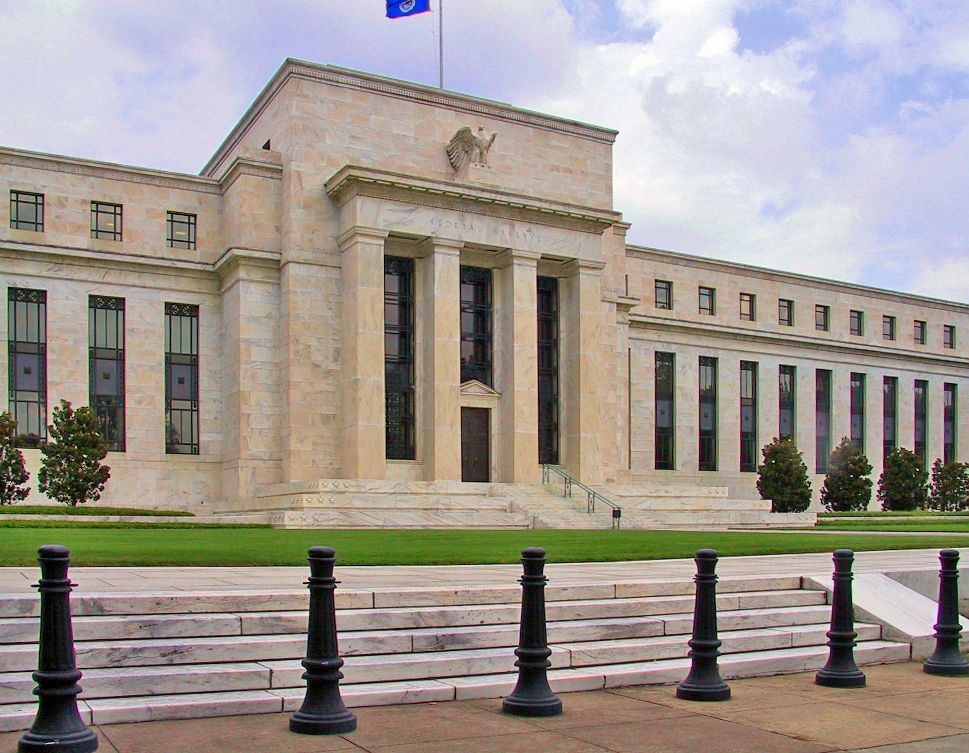
The single biggest weight on metals right now is the Fed. Under new chair Kevin Warsh, the central bank has taken a firmly hawkish line, signaling it cares more about wrestling inflation back down than about cutting interest rates. Markets that spent late 2025 betting on rate cuts have flipped, and are now pricing in roughly three rate hikes in 2026, with the first possibly arriving as soon as September.
This matters to gold and silver because neither one pays interest. When the Fed holds rates high or raises them, safe, interest-bearing alternatives like Treasury bonds and cash become more attractive, which raises the opportunity cost of parking money in metal that just sits in a vault. Higher-for-longer rates are a headwind for gold almost every time.
2. An inflation shock that has kept the Fed cautious
The reason the Fed is being so cautious traces back to the conflict between the United States and Iran earlier this year, which disrupted shipping through the Strait of Hormuz and sent oil prices sharply higher. Energy costs feed into nearly everything, and inflation followed. The Fed's preferred gauge, the PCE index, accelerated to 4.1 percent in May, roughly double the Fed's 2 percent target.
Here is the part that surprises people. War and geopolitical stress usually push safe-haven metals up, not down. This time the inflation those events created handed the Fed a reason to stay hawkish, and the rate channel overwhelmed the safe-haven bid. As peace negotiations have progressed and oil has retreated to roughly pre-conflict levels, the war premium has largely drained out of the market. What lingers is the inflation it left behind, and the Fed's response to it.
3. A surprisingly strong economy
The third force is good news for most people and bad news for metals in the short run. Recent U.S. economic data, including a much stronger-than-expected jobs report in early June, has pointed to an economy that does not obviously need rescuing. A resilient economy gives the Fed cover to keep rates elevated, which removes the rate-cut hopes that had been propping gold up. Strong data has, on several days this year, knocked gold down hard in a single session.
Putting It Together
Picture a tug-of-war. On one side, war and inflation pull metals up. On the other, a hawkish Fed and a strong economy pull them down. For most of 2026 so far, the second side has been winning. The metals did not lose their appeal; the cost of holding them simply went up.
Why the Long-Term Case Has Not Disappeared
It would be easy to read the headlines and conclude the precious metals story is over. The data tells a more balanced tale. Several of the forces that drove gold and silver higher are still firmly in place.
Central banks are still buying. This is the quieter, more durable demand that does not show up in daily price swings. The World Gold Council estimates central banks added roughly 244 tonnes of gold in the first quarter of 2026, up from the prior quarter and above the five-year average. China alone imported about 317 tons in the quarter, and its central bank has now added to reserves for 18 straight months. These buyers are not chasing momentum. They are diversifying out of the dollar, and they tend to keep buying through dips.
Wall Street's year-end targets still sit above today's price, though they have come down. Major bank forecasts for where gold ends 2026 cluster between roughly $4,900 and $6,300 an ounce, all above the current level near $4,050. It is worth being honest about the trend in those numbers, though. Several banks have trimmed their targets as rate-cut hopes faded. Goldman Sachs, for example, cut its year-end call from $5,400 to $4,900 in June. Forecasts are professional opinions, not guarantees, and the same desks publishing high targets are clear that a firmer dollar or more Fed hikes could push prices lower instead.
Silver has a supply problem that has not gone away. The Silver Institute reports another annual supply deficit for 2026, the sixth year in a row that the world has used more silver than it produced. Industrial demand from electronics, solar panels, and other technology keeps pulling silver out of above-ground stockpiles. That structural shortfall is a longer-term support for the metal regardless of what the Fed does this quarter.
The Bull Case
- Central banks buying through the dip, led by China
- Bank year-end targets still above current prices
- Silver's sixth straight annual supply deficit
- High government debt and a softening dollar over time
- The war premium has unwound, removing one drag
The Bear Case
- A hawkish Fed pricing in rate hikes, not cuts
- Inflation still well above target
- A strong economy reducing safe-haven demand
- Banks have been cutting, not raising, their targets
- Investor ETF demand has cooled in 2026
Neither column is the whole truth. Honest market analysis means holding both at once. The metals have real long-term support and real short-term headwinds, and which one dominates over the next few months depends mostly on the Fed and on inflation.
If You Are Thinking About Buying
For a buyer, the appeal of a pullback is obvious. You are paying less than you would have in January. The honest question is not whether metals are cheaper than they were, but whether they fit your situation and your time horizon.
One approach many long-term buyers use during volatile stretches is dollar-cost averaging, which simply means buying a fixed amount on a regular schedule rather than trying to call the exact bottom. Nobody reliably picks the low. Spreading purchases out means you buy some at higher prices and some at lower, and you take the timing pressure off yourself. If prices keep falling, you keep buying at better levels. If they recover, you already own some.
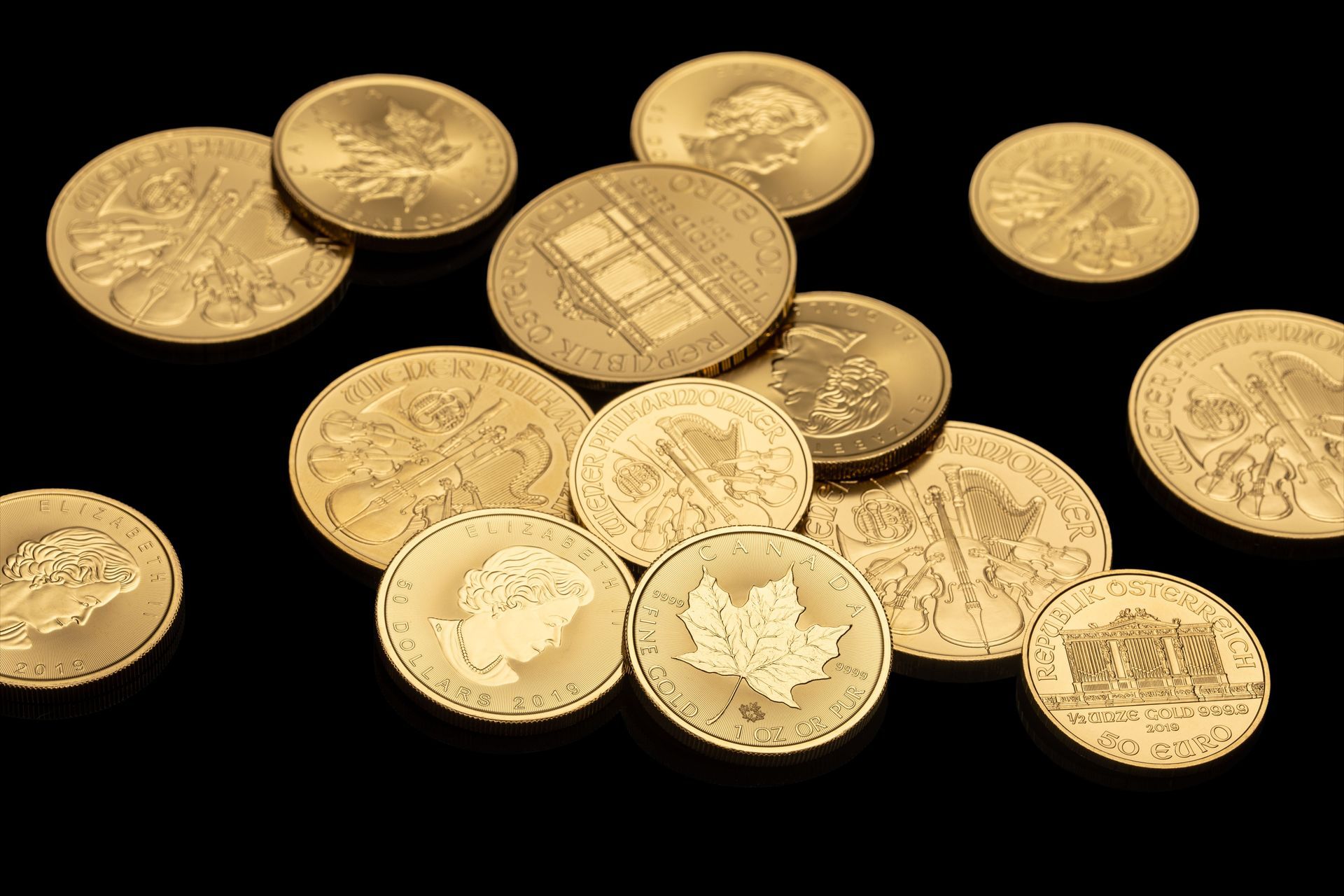
A practical note for first-time buyers: the price you see quoted is the spot price, and physical gold and silver trade at a premium above spot to cover minting, distribution, and the dealer's margin. That premium is usually smaller on larger bars and standard bullion coins, and larger on small or collectible pieces. When you compare offers, compare the all-in price, not just the spot figure. We are always happy to walk through what a given premium reflects so you know exactly what you are paying for.
Key Takeaway
A pullback can be a reasonable entry point for a long-term buyer, but it is not a guaranteed bottom. Buying in steady increments takes the timing pressure off, and comparing all-in prices, not just spot, keeps you from overpaying on premiums.
If You Are Thinking About Selling
If you are sitting on gold or silver, whether inherited coins, old jewelry, or bullion you bought years ago, the recent drop can feel like a reason to panic or to freeze. Step back and look at the level rather than the direction.
Even after the correction, gold near $4,050 and silver near $58 are historically high prices. If you bought or inherited metal more than a couple of years ago, you are very likely still well ahead. The decline from January's record does not erase that.
The right move depends on why you are selling. If you need liquidity now, for a bill, a project, or to simplify an estate, today's prices are still strong by any longer-term standard, and waiting for a return to record highs is a bet, not a plan. If you do not need the money and you can comfortably hold, the analyst targets and central-bank demand discussed above are reasons some sellers choose to wait, with the clear understanding that recovery is a possibility, not a promise.
Whatever you decide, knowing what you actually have is the first step. The difference between a fair offer and a poor one is often larger than any short-term price move. Our guides on what your gold jewelry is actually worth and on handling inherited gold and silver in Utah walk through how to value what you are holding before you ever accept an offer. And because the same metal can fetch very different offers depending on who you take it to, our breakdown of how pawn shops, gold buyers, and refineries actually differ is worth reading before you sell anything.
Key Takeaway
Despite the pullback, prices remain historically high. If you need cash now, today's level is still strong. If you can wait, recovery is plausible but not guaranteed. Either way, get an honest evaluation first so you know what you are holding.
The Utah Advantage
Wherever metals prices go next, Utah residents buy and sell on better terms than people in most of the country. These advantages do not change with the daily price, and they are easy to overlook.
🏔️ Utah Highlight
No state capital gains tax on the gain. Utah does not levy a separate state capital gains tax, so when you sell metal at a profit, you are not handing a slice to the state on top of any federal obligation.
A sales tax exemption on bullion and coins. Utah exempts qualifying purchases of precious-metal bullion and coins from sales tax, which keeps more of your money in metal rather than in tax when you buy.
Goldbacks are a Utah original. Utah was the first state to recognize Goldbacks back in 2019, the spendable notes that contain a fraction of an ounce of real gold. They are a uniquely local way to hold small amounts of physical gold, and we can order them in bulk.

There is also a simple, practical Utah advantage: you can have your metal evaluated in person, here in Riverton, instead of mailing it to an out-of-state buyer and waiting to see what they decide it is worth. A local, face-to-face evaluation means you see the scale, you hear the reasoning, and you keep your metal in your hands until you have agreed on a number. If you want more background, our look at what has been moving prices for Utah investors and our broader guide on why metals belong in a long-term plan are good next reads.
Frequently Asked Questions
Why are gold and silver prices falling in 2026?
Mainly because of the Federal Reserve. Under new chair Kevin Warsh, the Fed has turned hawkish and markets now expect rate hikes rather than cuts in 2026. Higher interest rates raise the cost of holding metals that pay no interest. An inflation spike tied to the earlier U.S.-Iran conflict and a stronger-than-expected economy have added to the pressure.
Is now a good time to buy gold?
Gold is meaningfully cheaper than it was at its January record, which appeals to long-term buyers. That said, no one can promise it has bottomed. Many buyers spread purchases out over time rather than trying to time the low, and weigh metals against their own goals and time horizon rather than buying purely because prices dropped.
Should I sell my gold now or wait?
It depends on your need. Even after the pullback, prices are historically high, so if you need liquidity, today's level is strong. If you can comfortably hold and you believe in the longer-term case, waiting is an option, with the understanding that a recovery is possible but not guaranteed. Getting an honest evaluation first is the key step either way.
How far could gold fall from here?
No one knows. Bank year-end 2026 targets currently range from roughly $4,900 to $6,300, all above today's level near $4,050, but several banks have trimmed their forecasts as rate-cut hopes faded. If the Fed keeps rates high or the dollar strengthens, prices could fall further. Forecasts are opinions, not guarantees.
Is silver a better buy than gold right now?
Silver has fallen further from its peak than gold and carries a structural supply deficit, which some buyers find attractive. It is also more volatile because of its industrial uses, so it can fall harder in a downturn. The gold-to-silver ratio near 70 to 1 is close to its long-term average, suggesting neither is dramatically cheap relative to the other at the moment.
Does Utah tax precious metals?
Utah does not impose a separate state capital gains tax on profits from selling metals, and it exempts qualifying bullion and coin purchases from sales tax. Federal tax rules still apply. For specifics on your situation, check with a tax professional.
What caused gold to hit a record and then drop?
Gold peaked near $5,595 in late January 2026 on strong safe-haven and central-bank demand. It then fell as an inflation shock from the U.S.-Iran conflict pushed the Fed into a hawkish stance, rate-cut expectations reversed, and a resilient economy reduced the urgency for safe-haven buying.
Are analyst price targets reliable?
They are informed professional opinions, not guarantees. The wide range between banks, and the fact that several cut their targets in 2026, shows how much these forecasts depend on assumptions about Fed policy and inflation. Treat them as one input among several, not as a prediction you can count on.
What are Goldbacks?
Goldbacks are spendable notes that each contain a precise, tiny fraction of an ounce of real gold laid into the bill. Utah was the first state to recognize them in 2019. They are a practical way to hold small denominations of physical gold, and The Gold Vault can order them in bulk.
Where can I get my gold and silver evaluated in Utah?
The Gold Vault is a family-owned precious metals exchange in Riverton, Utah. We offer free, no-obligation evaluations in person, so you can see exactly what you have and what it is worth before deciding anything. Walk-ins are welcome.
This article is educational and reflects market conditions as of late June 2026. It is not financial, investment, or tax advice. Precious metals prices can rise or fall, and analyst forecasts are opinions rather than guarantees. The Gold Vault buys, sells, and evaluates precious metals. For decisions about your own portfolio or taxes, consider speaking with a licensed financial advisor or tax professional.
Get a Free, No-Obligation Evaluation
Not sure whether to buy, sell, or simply wait? Stop by and we will explain exactly what you have, in plain terms, with no pressure.
(801) 890-1597
The Gold Vault • Riverton, Utah • Walk-ins welcome
Visit The Gold Vault