Pawn Shops vs. Gold Buyers vs. Refineries
Where You'll Actually Get the Most Money for Your Gold in 2026
With gold hovering around $5,000 per ounce—up more than $2,000 from last year—and silver sitting near $85, you're probably seeing those "We Buy Gold" signs everywhere. Pawn shops with neon lights. Jewelry stores running "gold buying events." Maybe even mailers promising top dollar if you ship your grandmother's ring to some address in New Jersey.
But here's the uncomfortable truth most people discover too late: where you sell matters almost as much as what you're selling. The difference between the best and worst offers on the same gold ring can easily be 50%—or more.
This guide breaks down your actual options: pawn shops, dedicated gold buyers, mail-in services, and refineries. We'll show you what each one pays, why they pay it, and how to avoid walking out with half of what your gold is worth.
Why This Matters Right Now (March 2026)
The precious metals market in early 2026 is unlike anything we've seen. Gold hit an all-time high of nearly $5,600 in late January before pulling back. Silver spiked above $120 before crashing 47% in a matter of days, then recovered. This volatility has created a perfect storm:
- Record numbers of sellers: Pawn shops and coin dealers report four to five times more walk-ins than two years ago. Some shops have lines out the door with velvet ropes.
- Overwhelmed refineries: Major refineries have implemented purchase limits and temporarily paused accepting certain materials due to processing backlogs.
- Widening spreads: The gap between what buyers offer and what gold is actually worth has grown as dealers struggle with inventory and replacement risk.
- Predatory pricing: Some buyers are taking advantage of the chaos, knowing sellers are confused and eager to cash in before prices drop again.
First: Understanding What You're Actually Selling
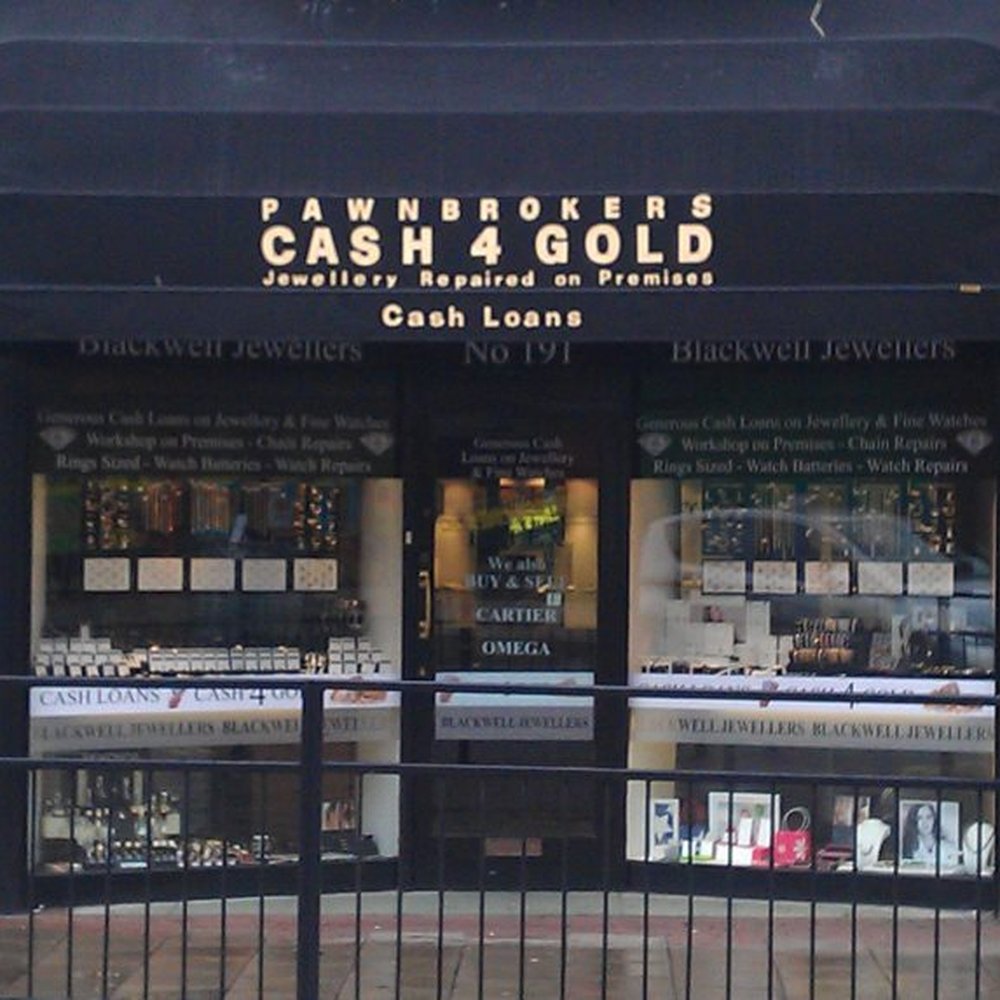
Before comparing buyers, you need to understand how they'll evaluate your gold. Every legitimate buyer uses the same basic formula:
Let's break that down:
Weight
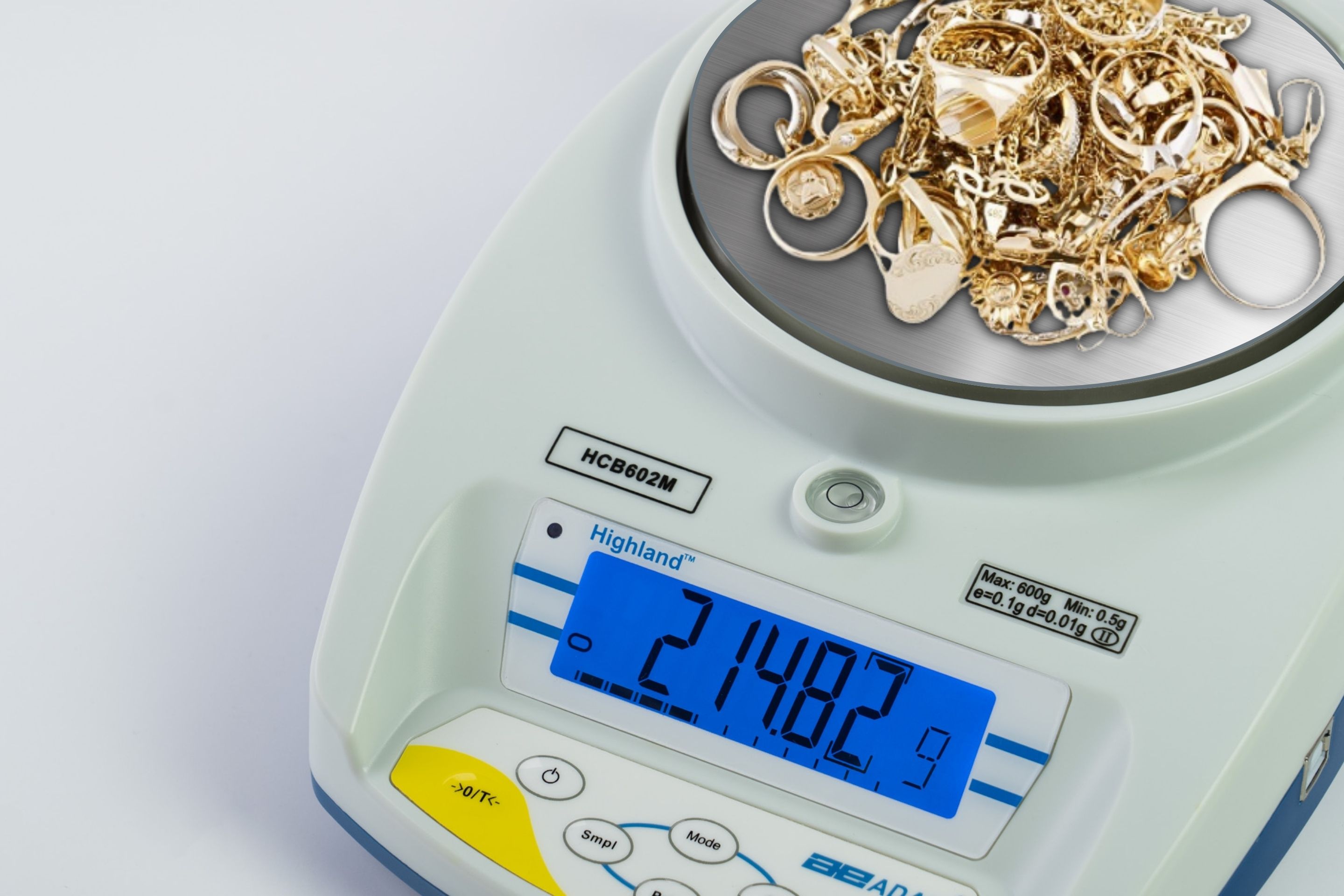
Gold is weighed in grams or troy ounces (31.1 grams). A standard kitchen scale won't cut it—you need a precision scale accurate to 0.01 grams. Any buyer should weigh your items in front of you on a certified scale.
Purity (Karat)
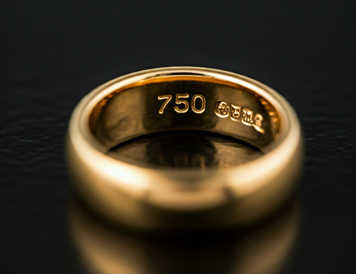
Pure gold is 24 karat. Most jewelry is alloyed with other metals for durability:
| Karat | Gold Content | Common Uses | Value per Gram* |
|---|---|---|---|
| 24K | 99.9% | Bullion, some Asian jewelry | ~$161 |
| 22K | 91.7% | American Gold Eagles | ~$148 |
| 18K | 75% | Fine jewelry | ~$121 |
| 14K | 58.3% | Most US jewelry | ~$94 |
| 10K | 41.7% | Budget jewelry | ~$67 |
*Based on gold at $5,025/oz. Values change daily.
Spot Price
The "spot price" is the current market price for pure gold on international exchanges. As of mid-March 2026, gold is trading around $5,025 per troy ounce. This price fluctuates constantly—sometimes by $100 or more in a single day. Any serious buyer should be using live spot pricing, not yesterday's newspaper.
Buyer's Percentage (The Part That Varies)
Here's where the rubber meets the road. No buyer pays 100% of spot price—they need profit margins to stay in business. But the percentage they pay varies enormously:
- Pawn shops: 25–60% of melt value
- Mall/event gold buyers: 30–50% of melt value
- Mail-in services: 40–70% of melt value
- Dedicated gold dealers: 70–90% of melt value
- Refineries (direct): 75–95% of melt value
- Melt value: 20g × 58.3% × ($5,025 ÷ 31.1g) = $1,883
- Pawn shop at 50%: $941
- Dedicated dealer at 85%: $1,600
That's a $659 difference on one chain. Now imagine what happens with a bag of inherited jewelry worth several thousand dollars.
Option 1: Pawn Shops
Pawn shops are everywhere. They're convenient. They pay cash on the spot. And for many people, they're the obvious choice when they need money fast.
But here's what pawn shops won't tell you:
How Pawn Shops Actually Work
Pawn shops are generalists. They deal in electronics, tools, musical instruments, firearms, jewelry—whatever walks through the door. Gold is just one small part of their business, and most pawnbrokers aren't precious metals specialists.
Their business model requires wide margins. They need to cover overhead, potential losses on stolen merchandise, and the risk that prices drop before they can resell. That's why they typically offer 25–50% of actual melt value —sometimes as low as 20% for complicated items.
The 2026 market has made things even more complicated. News reports indicate that pawn shops are seeing lines out the door and four to five times more sellers than two years ago. Some shops have implemented daily purchase caps. Others have stopped buying certain items altogether because their suppliers—the refineries—are overwhelmed and can't process inventory fast enough.
✓ The Appeal
- Instant cash
- No paperwork hassle
- Loan option available
- Convenient locations
✗ The Reality
- 25–50% of melt value
- Limited testing equipment
- May miss collector value
- High-pressure tactics
Option 2: "We Buy Gold" Events and Mall Kiosks
You've seen them: pop-up events in hotel ballrooms, kiosks in shopping centers, ads on late-night TV promising "top dollar for your unwanted gold." These buyers rely on high volume and low information.
The Business Model
These operations spend heavily on advertising and temporary retail space. That money has to come from somewhere—and it comes from your payout. They're betting that most people don't know what their gold is worth and won't shop around.
The traveling gold buyer who sets up in a Holiday Inn for three days has no long-term reputation to protect. They're here today, gone tomorrow, and unlikely to ever see you again. That creates an incentive to lowball aggressively.
Red Flags to Watch For
- Won't show you the scale: You should see the weight reading yourself
- Won't explain karat testing: Legitimate buyers walk you through their testing process
- Quotes a flat price per item: Real offers are based on weight and purity, not "$50 for any ring"
- Pressures you to sell immediately:"This offer is only good today" is a manipulation tactic
- No physical address: If they're operating out of a temporary space with no permanent presence, proceed with extreme caution
Option 3: Mail-In Gold Buyers
Companies like Cash4Gold, Express Gold Cash, and similar services advertise convenience: they send you a prepaid envelope, you mail your gold, they send a check. Simple, right?
The Process
- Request a kit (usually a prepaid envelope with insurance)
- Mail your gold items
- Receive an offer (usually within a few days)
- Accept (get paid) or reject (items returned)
The Problems
Consumer complaints about mail-in gold buyers are legendary. Common issues include:
- Lowball offers: Initial offers as low as 20–30% of melt value are common. One reviewer sent $680 worth of appraised jewelry and received a $20 offer.
- Lost shipments: Packages "disappear" with no accountability. FedEx won't investigate without the company's cooperation, and the company often won't cooperate.
- Weight discrepancies: You send 72 ounces of silver, they claim to have received 66. Good luck proving otherwise.
- Difficult returns: Getting items back can require multiple calls and weeks of waiting
- No negotiation: You can't look someone in the eye and ask for a better offer
When Mail-In Might Work
Some mail-in services have legitimate operations and positive reviews. If you're in a truly rural area with no local options, they can work— but only if you:
- Document everything with photos before shipping
- Weigh items yourself on a calibrated scale
- Research the specific company extensively (check BBB, Trustpilot, real reviews)
- Are prepared to negotiate when the first offer comes in low
Option 4: Dedicated Precious Metals Dealers
Now we're getting somewhere. A dedicated precious metals dealer—as opposed to a pawnbroker or jeweler who occasionally buys gold—specializes in exactly what you're selling. This changes everything.
What Makes Dealers Different
- Expertise: They know the difference between scrap gold and a Morgan silver dollar worth 10× melt. They recognize designer hallmarks. They understand coin grades and key dates.
- Better equipment: Professional dealers use XRF (X-ray fluorescence) analyzers that determine exact gold content without damaging items. No scratching, no acid—just precise readings.
- Refinery relationships: Direct connections to refineries mean lower costs for them and better payouts for you. They're not selling to another middleman.
- Reputation: A local dealer depends on word-of-mouth. They can't afford to rip people off and stay in business for decades.
- Market knowledge: They track spot prices throughout the day and can explain exactly how they calculated your offer.

What Dealers Typically Pay
Good dealers pay 70–90% of melt value for scrap gold, with variations based on quantity and type. For items with value beyond their metal content—collectible coins, designer jewelry, vintage pieces—they pay above melt.
The Numbers Compared
Based on current market conditions (March 2026):
| Buyer Type | % of Melt | 14K Ring (5g)* | Expertise |
|---|---|---|---|
| Pawn Shop | 25–50% | $118–$235 | Low |
| Mall/Event Buyer | 30–50% | $141–$235 | Low |
| Mail-In Service | 40–70% | $188–$329 | Varies |
| Dedicated Dealer | 70–90% | $329–$423 | High |
| Refinery (direct) | 75–95% | $353–$447 | Highest |
*Based on 5g 14K ring at $5,025/oz gold. Melt value = $470.
Option 5: Selling Directly to a Refinery
Here's the option most people don't even know exists: selling directly to a gold refinery.
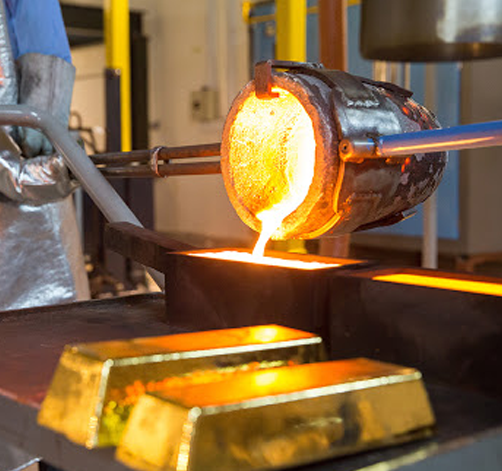
Most refineries work exclusively with businesses—jewelers, dentists, manufacturers. But some have opened their doors to the public, and these operations often pay the highest prices because they're the end of the line. No middlemen, no markups, just you and the people who actually melt and purify the gold.
✓ Benefits
- 75–95% of melt value
- Most accurate testing
- Full transparency
- Often no minimums
✗ Drawbacks
- Limited locations
- Melt value only (no collector premiums)
- Current backlogs in 2026
The Best Option: A Dealer with Refinery Connections
Here's the sweet spot most people miss: a dedicated precious metals dealer who has direct relationships with refineries.

This combination gives you:
- Refinery-level pricing because they're cutting out middlemen
- Collector expertise to recognize value beyond melt (that 1932-D quarter isn't scrap—it's worth $200+)
- Local accessibility with same-day payment
- Reputation accountability because they need your repeat business and referrals
- Professional testing with XRF analyzers and trained appraisers
For Utah Sellers: Why Location Matters Even More
Utah's Precious Metals Advantage
Utah treats gold and silver bullion as legal tender, which means no state capital gains tax on precious metals sales. This is a meaningful benefit—but only if you're working with a dealer who understands Utah's precious metals laws and can document transactions appropriately.
Utah also has a unique local currency: Goldbacks. These gold-infused notes circulate as voluntary local currency and can be bought, sold, or spent at participating businesses. Not every dealer understands Goldbacks or can offer competitive pricing on them—it takes specific expertise and inventory connections.
Red Flags: How to Spot a Bad Buyer
Regardless of which type of buyer you choose, walk away if you encounter any of these warning signs:
- They won't weigh items in front of you. If they take your gold "to the back" for testing, you have no way to verify the weight.
- They can't explain their pricing. A legitimate buyer can show you: today's spot price, your item's weight, the purity reading, and how those numbers became an offer.
- They pressure you to sell immediately."This price is only good for the next hour" is a manipulation tactic, not a market reality.
- They offer flat prices per item."$50 for any gold ring" is a scam. Value depends on weight and purity—period.
- They have no online reviews or physical address. Legitimate businesses have histories you can verify.
- Their first offer is significantly below others you've received. Shopping around protects you. If one offer is 50% lower than the rest, something's wrong.
- They want you to mail items without a prepaid, insured envelope. Never ship gold on your own dime with your own insurance.
Your Pre-Sale Checklist
Before selling gold anywhere:
- Know the spot price. Check kitco.com or similar before you walk in. It changes constantly.
- Know your karats. Look for stamps: 10K, 14K, 18K, 585 (14K), 750 (18K). No stamp? It still might be gold—but legitimate testing will reveal the truth.
- Weigh items yourself if possible. A jewelry scale costs under $20 and gives you a baseline.
- Get multiple quotes. At minimum, visit two or three buyers before committing.
- Calculate your floor. Weight × purity × spot price × 70% = the minimum you should accept from any reputable buyer.
- Consider collector value separately. Coins with dates, designer jewelry, antique pieces—these may be worth more than melt. Know before you go.
- Bring valid ID. Required by law for precious metals transactions.
The Bottom Line
Gold prices are at historic levels. If you're going to sell, now is a reasonable time—but where you sell matters almost as much as when.
Pawn shops and mall buyers are convenient, but convenience comes at a steep cost—often 30–50% of your gold's actual value. Mail-in services add anxiety and middlemen. Random traveling buyers have no accountability.
Your best bet is a dedicated precious metals dealer with direct refinery relationships: someone who can pay refinery-level prices, recognize collector value, and explain exactly how they arrived at your offer. The difference can easily be hundreds or thousands of dollars.
Take an extra hour to shop around. Your grandmother's jewelry deserves better than a neon sign and a lowball offer.
Ready for a Real Quote?
The Gold Vault offers free, no-obligation evaluations on all gold, silver, platinum, coins, and Goldbacks. We test in front of you, explain our pricing, and pay same-day.
Call (801) 890-1597Web: thegoldvault.org
Ready to work with The Gold Vault?
Let's connect! We’re here to help.
Send us a message and we’ll be in touch.
Or give us a call today at 801-890-1597
Agency Contact Form
Precious Metals Insights from The Gold Vault
Utah Gold and Silver News